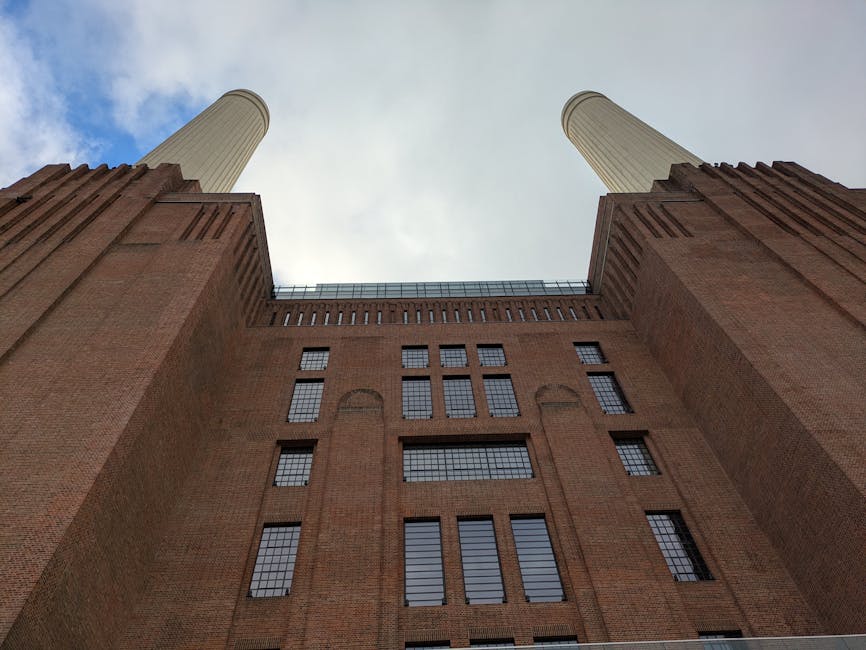
Battersea Park to Battersea Power Station removals service: a practical local guide for a smoother move
If you are planning a Battersea Park to Battersea Power Station removals service, you are dealing with a move that sounds short on paper but can still be surprisingly involved in real life. The distance is modest, yes, but the details matter: parking, lift access, building rules, packed communal areas, and the usual London curveballs that show up right when you thought everything was under control.
This guide walks you through what the service includes, why a local move like this benefits from proper planning, how the process usually works, and what to watch out for. It also covers practical checks, useful comparisons, and the kind of small-but-important details people often miss until moving day. Truth be told, those are usually the bits that decide whether the day feels calm or chaotic.
For broader context on the company and the way services are handled, you may also find the about us and services overview pages helpful.
Table of Contents
- Why Battersea Park to Battersea Power Station removals service Matters
- How Battersea Park to Battersea Power Station removals service Works
- Key Benefits and Practical Advantages
- Who This Is For and When It Makes Sense
- Step-by-Step Guidance
- Expert Tips for Better Results
- Common Mistakes to Avoid
- Tools, Resources and Recommendations
- Law, Compliance, Standards, or Best Practice
- Options, Methods, or Comparison Table
- Case Study or Real-World Example
- Practical Checklist
- Conclusion
- Frequently Asked Questions
Why Battersea Park to Battersea Power Station removals service Matters
Moves between Battersea Park and Battersea Power Station are local, but local does not mean simple. In fact, the closer the move, the more people sometimes underestimate it. A one- or two-mile route can still involve careful timing, especially if you are moving from a quieter residential street near Battersea Park into a busier riverside development around Battersea Power Station.
The difference in property types also matters. Battersea Park has a mix of flats, mansion blocks, terraces, and family homes. Battersea Power Station tends to involve modern apartments, concierge desks, managed access, and tighter rules about service lifts, loading bays, and move-in times. That mix changes the logistics quite a bit.
A proper removals service helps you avoid the usual headaches: carrying furniture through narrow shared corridors, lifting heavy boxes multiple times, or discovering too late that your van cannot wait where you expected. You want a move that respects the building, the neighbours, and your own back. Sounds obvious, but people forget it in the rush.
This is also where an experienced local team can make a real difference. A reliable Battersea removals provider understands the rhythm of the area, the roads, the parking challenges, and the practical flow of the move. If you are comparing providers, the page on removal companies in Battersea is a sensible starting point.
How Battersea Park to Battersea Power Station removals service Works
A local removals job usually follows a fairly simple structure, though the details depend on the size of your home and the type of access at both ends. The process starts with an enquiry or quote request, followed by an assessment of what needs moving, how much space it will take, and whether special handling is required for fragile or bulky items.
For many people, the service is built around a few core steps:
- Discuss the move size, access issues, and preferred timing.
- Confirm what is being moved: furniture, boxes, appliances, specialist items, or a mixture.
- Plan the van size and the number of movers needed.
- Arrange packing support if required, including protective materials and boxes.
- Complete the loading, transport, unloading, and placement at the new address.
For shorter London moves, the right vehicle matters almost as much as the right crew. A compact load may suit a man and van service in Battersea or a dedicated removal van option, while larger homes or more complex moves often benefit from a fuller team and a more structured service. There is no magic formula. It depends on the job.
Packing is another major part of the process. Good packing protects your belongings, but it also speeds everything up on the day. If you are not sure where to begin, the packing and boxes Battersea page gives useful context on preparing items properly before the movers arrive.
Key Benefits and Practical Advantages
A well-run local removals service offers more than just transport. It gives you control, reduces physical strain, and lowers the chance of avoidable damage. That may sound a bit plain, but honestly, that is the real value.
- Less lifting and fewer trips: Professional movers handle the heavy work so you are not carrying the same sofa down stairs twice because someone guessed the corner angle wrong.
- Better route and access planning: Local experience helps avoid bottlenecks, loading delays, and the awkward "where exactly can the van stop?" moment.
- Protection for furniture and walls: Moving blankets, wraps, and careful handling reduce scuffs and chips, especially in newer buildings.
- Faster turnaround: A short move can still take the whole day if you are underprepared. A good team keeps things moving steadily.
- Less stress: You can focus on keys, meters, utilities, and the practical bits of settling in rather than wrestling with a chest of drawers.
There is also a subtler advantage: a move that is handled professionally tends to feel more settled from the start. You are not arriving at Battersea Power Station already drained from a morning of heavy lifting and poor planning. That matters more than people expect.
If you have bulky or awkward pieces, it is worth checking whether the team can handle specialist items too. For example, furniture removals in Battersea can be especially useful when you need help with large wardrobes, dining tables, or sectional sofas.
Who This Is For and When It Makes Sense
This type of service is a good fit for a wide range of local movers. Not just families. Not just landlords. In our experience, it suits anyone who wants a cleaner, safer, and more efficient move across a short London distance.
It makes particular sense for:
- people moving from a flat near Battersea Park into a new apartment at Battersea Power Station;
- tenants with a move-out deadline and a move-in slot booked tightly;
- owners with furniture that is too awkward for a DIY car trip;
- busy professionals who would rather not turn a weekday into a full logistics puzzle;
- students or younger movers who only need a smaller vehicle and a few hands;
- anyone with time pressure, limited parking, or concierge-controlled access.
It is also worth considering whether your move is standard, flat-based, or office-related. A flat relocation into a modern development can need different planning from a house move, and business moves may require more careful scheduling. For those situations, flat removals in Battersea, home removals, and office removals may be more relevant than a general van-only option.
Students and sharers often need something lighter and quicker. If that sounds like you, the page on student removals Battersea is worth a look.
Step-by-Step Guidance
Here is the practical version. Not the polished brochure version. The actual sequence that keeps the move from spiralling into a mess.
1. Start with a realistic inventory
Write down what is moving. Furniture, boxes, clothes rails, kitchen items, mirrors, TVs, plants, bicycles, work equipment, the lot. If you are unsure whether something counts as bulky, assume it does until you check. Better to over-prepare than under-quote.
2. Check access at both properties
Look at stairs, lifts, entry codes, concierge instructions, parking restrictions, and distance from the vehicle to the front door. A move can become awkward very quickly if the van cannot park close enough or the lift is out of service at the wrong moment. And yes, that does happen.
3. Decide what you want the movers to handle
Some people want full packing support. Others only want loading and transport. Both can work, but the service should match your confidence and available time. If you want to reduce the amount of loose packing on the day, use the packing service and label boxes sensibly. "Kitchen" on six boxes is not enough. Trust me, it leads to rummaging.
4. Book the right van and team size
A smaller move may be fine with a compact crew and a man with a van setup. Larger moves often need more hands, especially if there are stairs, long carries, or delicate items. A good provider should recommend the right setup rather than simply sell the largest option. That is the kind of honesty you want.
5. Prepare fragile and special items separately
Keep documents, jewellery, medication, keys, and chargers with you. For specialist items like pianos or artwork, make sure they are discussed early. If you need careful handling for a piano, there is dedicated help via piano removals Battersea.
6. Confirm timing, payment, and arrival details
Make sure the move window, payment method, and any building rules are clearly understood before the day. A clear start time reduces stress for everyone. Nobody likes the vague "we'll be there around lunchtime" routine when the lift booking is fixed for 1 p.m.
7. Walk through both addresses on the day
At the old property, point out anything unusual: loose banisters, narrow turns, hidden steps, or items that need extra care. At the new property, decide where each item should go before unloading begins. That small decision saves a lot of shuffling later.
Expert Tips for Better Results
These are the little things that make a surprisingly big difference.
- Reserve parking early if needed: Even a short local move can stall if the van has to keep circling the block.
- Use clear labels: Put room names and short contents on each box. "Bedroom 2, bedding and lamps" is much more useful than "misc".
- Pack an essentials bag: Water, phone charger, snacks, kettle, toiletries, medication, and a change of clothes. Moving day hunger is real.
- Protect communal areas: In modern developments, lift lobbies and corridors can be sensitive. Good movers will be careful, but you should still be aware of the building rules.
- Do a final meter and key check: It sounds obvious until someone is half-way in the van and asks where the second set of keys went.
- Keep breakables upright and separate: Plates, screens, mirrors, and glass items are easier to handle when they are grouped sensibly, not mixed with books and kettles.
A slightly old-school but useful trick: keep a simple handwritten note of what is in each box. Phones are great, but a scrap of paper on the kitchen table can save a lot of faffing around when your battery is down to 8%. Not glamorous. Very effective.
If you want to understand how the company approaches service quality more broadly, the removal services Battersea page gives a helpful overview.
Common Mistakes to Avoid
Most moving-day problems are not dramatic. They are small planning errors that snowball.
- Underestimating volume: A one-bedroom flat can generate far more boxes than you expect, especially if cupboards are full of forgotten items.
- Leaving packing until the night before: That is how fragile items get shoved into random bags and regret appears.
- Ignoring building restrictions: Some developments need timed access, use of service lifts, or advance notice. Missing that can delay the entire move.
- Not measuring bulky furniture: A sofa that looks manageable in the living room can become a very different beast at the stairwell.
- Forgetting insurance and safety details: You should understand what is covered and how the team handles risk.
- Assuming every mover does the same thing: They do not. Service levels, packing support, and specialist handling can vary quite a bit.
One of the most common oversights is not checking whether your chosen provider is suitable for the exact type of property. A basic van service may be fine for a small load, but a larger or more delicate move may need a broader team. It is worth looking at removals Battersea to see how a more complete service is framed.
Tools, Resources and Recommendations
You do not need a truck full of fancy gadgets to move well. But a few practical tools make life easier.
| Item | Why it helps | Best used for |
|---|---|---|
| Strong boxes | Protects contents and stacks cleanly | Books, kitchenware, clothes, mixed household items |
| Bubble wrap or paper | Cushions fragile objects | Glass, ornaments, frames, electronics |
| Marker pens and labels | Makes unloading and unpacking faster | Every box, no exceptions |
| Furniture covers | Reduces scuffs and dirt transfer | Sofas, mattresses, tables, wardrobes |
| Toolkit | Helps with disassembly and reassembly | Beds, modular furniture, shelves |
For people who want extra support before the move, the page on pricing and quotes can help frame the kind of information usually needed for a sensible estimate. Clear information usually leads to a better quote. It also avoids that awkward "oh, I forgot about the storage cupboard" moment.
You may also want to think about sustainability. Good moving practice often includes reusing boxes where possible, recycling packing materials responsibly, and avoiding waste where you can. The page on recycling and sustainability is useful if you care about keeping the move tidy and low-waste.
Law, Compliance, Standards, or Best Practice
For any removals job in London, it is sensible to follow accepted best practice around safety, property care, and access arrangements. Exact responsibilities can vary by building, landlord, lease terms, and the service you choose, so it is always wise to confirm the practical details ahead of time rather than assume.
In real terms, good compliance means a few straightforward things:
- respecting building access rules and lift bookings;
- using safe lifting and carrying techniques;
- protecting floors, walls, and shared areas where appropriate;
- communicating clearly about fragile, high-value, or awkward items;
- understanding the service terms and any limits on liability or handling.
If you are moving into a managed development like those around Battersea Power Station, building management may have specific expectations about move-in windows, protective coverings, and parking. Those are not optional in practice. They are part of getting the job done without friction.
It is also sensible to check the provider's approach to safety and insurance. You want a team that treats your belongings carefully and has a clear process if something unexpected happens. For that reason, the pages on insurance and safety and health and safety policy are worth reviewing before you book.
And because trust matters, it helps to know how a company handles customer concerns, payment, and privacy. Those may not be the glamorous parts of a move, but they are part of a professional service. A proper provider should be transparent about this, no drama, no guesswork.
Options, Methods, or Comparison Table
Choosing the right type of move is mostly about scale, access, and how hands-on you want the service to be. Here is a simple comparison to make the decision easier.
| Option | Best for | Strengths | Possible drawbacks |
|---|---|---|---|
| Man and van | Small flats, light loads, quick local moves | Flexible, practical, often ideal for shorter distances | May not suit large or complex properties |
| Full removals team | Family homes, larger flats, more furniture | More hands, more structure, better for volume | May cost more than a basic vehicle-only option |
| Packing plus removals | Busy households, time-sensitive moves, fragile items | Less prep stress, better item protection | Requires more planning and usually more lead time |
| Same-day removals | Urgent changes, short-notice moves, last-minute access issues | Fast response, useful in a pinch | Availability can be tighter and planning less flexible |
If your move is small and straightforward, a man with a van service in Battersea may be enough. If the move is larger, or you want a more managed experience, a fuller removals service is usually the safer choice. And if the timing is tight, the same day removals Battersea page may be relevant.
Case Study or Real-World Example
Here is a realistic example. A couple move from a two-bedroom flat near Battersea Park into a modern apartment near Battersea Power Station. They have a bed frame, two wardrobes, a sofa, a dining table, about thirty boxes, and a few fragile pieces of artwork. Nothing wildly unusual, but enough to make DIY transport a bit of a headache.
They arrange a removals service a few days in advance. The move starts with a quick check of access at both ends. At the old address, there is a narrow hallway and a stair turn that makes the wardrobe awkward. At the new building, the lift has a booking slot and loading bay rules. The movers plan around both. Sensible, really.
On the day, the team wraps furniture, labels the fragile boxes separately, and loads the van in a sequence that makes unloading faster later. The couple keep documents, chargers, and a kettle with them. By early afternoon, the biggest pieces are in place, the kitchen is starting to look like a kitchen again, and nobody has had to improvise with an unmarked box of cutlery.
What made the difference? Not luck. Planning. A move like this is not difficult, but it does reward people who prepare early and choose the right level of support. That is the short version, anyway.
Practical Checklist
Use this checklist in the last few days before moving:
- Confirm the moving date and time slot.
- Check parking, loading access, and any building restrictions.
- List all furniture, boxes, and specialist items.
- Decide whether you need packing help.
- Label boxes by room and contents.
- Set aside valuables, documents, keys, and medication.
- Disassemble anything that must come apart in advance, if required.
- Protect fragile items with suitable packing materials.
- Prepare an essentials bag for the first night.
- Review payment details, service terms, and safety information.
- Keep phones charged and important numbers handy.
- Do a final walk-through before leaving the old property.
If you want a quicker recap of the broader moving options available, the movers Battersea page is another useful reference point.
Conclusion
A Battersea Park to Battersea Power Station removals service is about more than getting items from one address to another. It is about making a local move feel orderly, safe, and manageable in an area where access, timing, and building rules can shape the whole day. With the right planning, a short move can be refreshingly straightforward.
The best results usually come from clear communication, realistic packing, and choosing the service level that matches your home, your furniture, and your schedule. Keep the essentials close, ask the awkward questions early, and do not leave access planning until the last minute. That part is never worth the gamble.
Get a free quote today and see how much you can save.
And if you are still mapping out your move, take a steady breath. One good plan, one careful crew, and one sensible checklist can turn a potentially messy day into a surprisingly smooth one.
Frequently Asked Questions
What does a Battersea Park to Battersea Power Station removals service usually include?
It typically includes loading, transport, unloading, and careful handling of your belongings. Depending on the provider, it may also include packing help, furniture protection, and disassembly or reassembly of selected items.
Is a short local move really worth booking a removals company for?
Yes, especially if you have furniture, fragile items, limited parking, or a building with lift and access rules. A short move can still be physically demanding and surprisingly time-consuming.
How far in advance should I book?
If you can, book as early as possible, especially around month-end or weekend dates. Local moves can fill up quickly. If the move is urgent, a same-day option may be available, but flexibility is usually lower.
Do I need a man and van or a full removals team?
That depends on the size of your load and the access at both addresses. A smaller flat move may suit a man and van service, while larger homes or more complex moves often need a fuller team.
Can movers help with packing as well?
Often, yes. Some people want full packing support, while others only need help with bulky items and transport. If you are short on time, packing help can make the day much smoother.
What should I do about parking and loading access?
Check both properties in advance and make sure the moving vehicle can stop safely and legally. In London, access is often the hidden issue that causes delays, so it is worth sorting early.
How do I protect fragile items during the move?
Use sturdy boxes, cushioning materials, and clear labels. Keep fragile items separate from heavy household goods. For especially delicate pieces, speak with the mover before the day rather than hoping for the best.
Can you move furniture through a managed building near Battersea Power Station?
Usually yes, but you may need to follow building management rules about lift bookings, floor protection, move-in times, and loading bays. Always confirm those details in advance.
What if I need to move on very short notice?
Short-notice moves can be possible, depending on availability. Same-day or next-day support may help, but you will usually have fewer options for timing and vehicle size.
Are removals services insured?
Many professional removals services provide insurance arrangements, but you should always check what is covered and what exclusions apply. Do not assume. Ask clearly, and read the service terms.
Do I need to dismantle furniture before the movers arrive?
Not always. Some items should be dismantled in advance, while others can be handled by the movers. If you are unsure, ask during the quote stage so the team can plan properly.
What is the biggest mistake people make with local removals?
Underestimating access issues. A short route between Battersea Park and Battersea Power Station can still be held up by parking, lifts, or building rules. That is where many moves go sideways, a bit annoyingly.