SW11 council permit guide for Battersea removals Wandsworth
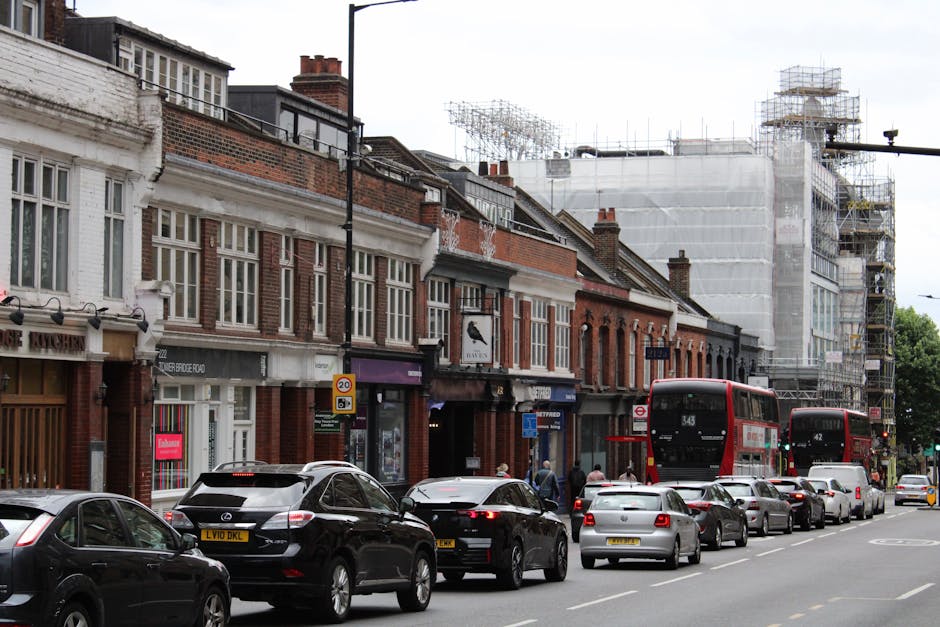
If you are planning a move in Battersea, the permit conversation can catch people out faster than the boxes themselves. One minute you are booking a van, the next you are wondering whether a suspension, a parking dispensation, or some kind of council permission is needed outside your front door. This SW11 council permit guide for Battersea removals Wandsworth breaks it all down in plain English, so you can plan the move properly, avoid preventable stress, and keep your moving day moving. That is the real goal, after all.
Whether you are shifting from a flat near Clapham Junction, moving family furniture from a terrace in SW11, or organising a business relocation, the same basic issue comes up: can the removal vehicle stop where it needs to stop, for long enough, without causing problems? In a busy part of London, that is not always a yes. This guide explains the practical side of permits and parking, how to prepare, what to watch out for, and where a professional moving team can make life easier.
Table of Contents
- Why SW11 council permit guide for Battersea removals Wandsworth matters
- How SW11 council permit guide for Battersea removals Wandsworth works
- Key benefits and practical advantages
- Who this is for and when it makes sense
- Step-by-step guidance
- Expert tips for better results
- Common mistakes to avoid
- Tools, resources and recommendations
- Law, compliance, standards, or best practice
- Options, methods, or comparison table
- Case study or real-world example
- Practical checklist
- Conclusion
- Frequently asked questions
Why SW11 council permit guide for Battersea removals Wandsworth Matters
A removal day is usually a choreography of boxes, stairs, tape, traffic, and one or two people saying, "Where did we put the kettle?" But the parking side is what can quietly unravel the plan. In SW11, where streets can be narrow, bays are shared, and loading space is often tight, a vehicle that cannot legally stop outside the property can slow everything down.
This matters for three reasons. First, time. If the van has to park farther away, every single item has to be carried further, and the clock ticks on. Second, safety. Long carries through awkward routes increase the risk of damage to furniture, walls, and, let's be honest, your back. Third, compliance. If a vehicle causes an obstruction or stops where restrictions apply, there may be enforcement issues. Nobody wants a move day that includes a penalty notice. Nobody.
For Battersea removals, the permit question is not just paperwork. It shapes the whole moving plan. If you know in advance whether a suspension, dispensation, or visitor bay arrangement is needed, you can schedule the crew, choose the right vehicle, and plan access around the street rather than trying to improvise on the day.
Expert summary: In a dense London postcode like SW11, the parking plan is part of the move plan. Treat it as essential, not optional, and you reduce delays, stress, and avoidable disruption.
Many customers also prefer to pair permit planning with a reliable service page such as home moves or, for smaller loads, man and van. The right setup is often the one that matches the street conditions as much as the amount of furniture.
How SW11 council permit guide for Battersea removals Wandsworth Works
At a practical level, the process usually starts with the street, not the van. You look at where the vehicle can realistically stop, how long it will need to be there, and whether the route from property to vehicle is workable. In Battersea, that can mean checking whether there are permit bays, single yellow lines, controlled hours, or loading restrictions around the property.
In many cases, removal teams will assess whether they need to rely on legal loading space, a temporary parking arrangement, or a council-managed suspension. The exact route depends on the street setup and the timing of the move. A move at 8 a.m. on a weekday can feel very different from one on a Sunday afternoon. That sounds obvious, but it catches people out all the time.
Here is the general logic:
- Short stop, light load: A smaller vehicle may fit within existing parking conditions if loading is permitted.
- Longer stop, bigger load: A larger van or truck may need more deliberate planning, especially if you are moving from a busy road.
- Restricted street: Parking controls, resident bays, or loading-only windows may require extra coordination.
- Busy building or shared access: Flats, mansion blocks, and converted properties often need more careful access planning than people expect.
If your move also involves packing support, it can help to coordinate this with packing and unpacking services. It may sound like a small thing, but the less last-minute sorting you do on the pavement, the smoother the whole day tends to be.
There is also a common distinction between a parking permit and a moving-day suspension. A permit may allow parking in a controlled area, while a suspension temporarily removes parking access from a bay or space. That distinction is important, because the wrong assumption can cause delays before the van has even reversed in. Bit of a nightmare, really.
Key Benefits and Practical Advantages
The obvious benefit is access. The less obvious one is control. When you know the rules for SW11 council permit planning, you can control the order of the move instead of reacting to street conditions.
- Shorter carrying distances: This helps with speed and reduces the chance of damage.
- Better crew efficiency: Movers can load and unload more cleanly when they are not searching for a legal stopping point.
- Lower stress: You are not trying to solve parking at the same time as protecting mirrors, mattresses, and fragile items.
- Cleaner communication: Everyone understands where the vehicle can go, when it can arrive, and how long it can stay.
- Better local fit: Battersea streets vary a lot, so a one-size-fits-all approach is usually a poor fit.
For business moves, the benefit is even clearer. If you are relocating a small office or studio, a delay of even thirty minutes can throw out the rest of the day. That is why many people pair permit planning with a broader service like office removals or commercial moves, where timing and access are handled more systematically.
There is also a hidden value in choosing the right vehicle size. If a smaller removal van will do the job, it can sometimes be easier to position in a tighter street than a larger truck. Sometimes the practical answer is not the flashiest one. That is just how London works, to be fair.
Who This Is For and When It Makes Sense
This guide is for anyone moving in or out of SW11 who wants the day to feel organised instead of improvised. That includes:
- homeowners moving from Battersea terraces or flats
- renters with short tenancy handovers and tight time windows
- families moving larger furniture and multiple rooms of items
- students or sharers combining smaller loads
- local businesses relocating stock, office furniture, or equipment
- landlords and property managers arranging access for a tenant move-out
It makes sense to think about permits early if you are dealing with any of the following:
- a narrow road or one-way system
- resident-only parking bays
- controlled parking hours
- heavy furniture that needs a near-door load-in
- an apartment block with limited front access
- a move that must be completed within a strict time slot
For smaller moves, some people assume a simple vehicle is enough. Sometimes that is true. Sometimes not. A move from a top-floor flat with a long stairwell and no lift is not the place to gamble. If in doubt, it can help to review the options on removals and compare them with the more flexible man with van style service.
Step-by-Step Guidance
Here is a practical way to handle permit planning without getting buried in admin.
- Check the property access first. Look at the road outside the address, the nearest bays, and any obvious restrictions. If you are moving from a flat, check whether the vehicle can stop close enough for safe loading.
- Estimate the move size honestly. A lot of people under-estimate this. One sofa, a bed, a wardrobe, and a few dozen boxes can still need a proper van and more than one trip if access is awkward.
- Decide the vehicle type. A compact van may work for a small move, while a larger load may need a moving van or even moving truck if the load is substantial.
- Work out whether parking control is needed. If the street is restricted, consider whether a council parking solution, suspension, or timed loading arrangement is required.
- Book early. Do not leave this until the week of the move. Parking planning is much easier when everyone has time to review the street conditions properly.
- Share the access details with your movers. Mention staircases, lifts, gated entries, loading bays, and any building instructions. The more the crew knows, the smoother the day.
- Prepare a backup. Streets change, bays are occupied, and weather can be annoying. A sensible backup plan saves a lot of pacing on the pavement.
A small but useful habit is to take photos of the street and the front of the property a few days before moving. It sounds almost too simple, but it helps everyone visualise the approach. You will notice this if you have ever tried explaining a tricky kerb to someone over the phone. Not ideal.
Expert Tips for Better Results
After enough local moves, a few patterns become obvious.
- Choose early arrival windows where possible. Streets are usually calmer first thing, and access is often easier before traffic builds.
- Keep the loading zone clear. Even a neat row of boxes can become a nuisance if it blocks the natural route between the door and the van.
- Label fragile items clearly. When a move is tight on time, clear labelling helps the crew avoid guesswork.
- Use the right size vehicle, not the biggest one. Bigger is not always better in SW11. The best vehicle is the one that fits the road and the load.
- Tell the movers about parking restrictions in advance. Do not assume they will "just sort it." Good teams can work with constraints, but only if they know them.
- Plan for wet weather. London rain has a habit of appearing at the least helpful moment. Covers, floor protection, and quick loading routes really do matter.
If you are moving a mix of household and bulky items, you may also want to look at house movers or house removals so the service level matches what is actually going out the door. A little planning here saves a surprising amount of faff later.
And a small human note: the best moves are often the boring ones. No drama. No parking panic. Just a van in the right place, a crew that knows what it is doing, and a cup of tea at the end that tastes better than it should.
Common Mistakes to Avoid
Most moving-day problems are predictable. That is the annoying part, but also the reassuring part, because they are avoidable.
- Leaving permit checks too late. If you only think about parking on the day before the move, you have already made life harder.
- Assuming loading is always allowed. Some streets look convenient but still have restrictions that matter.
- Booking the wrong vehicle size. Too small means repeat trips. Too big can mean access trouble.
- Ignoring building rules. Flats and managed properties often have their own access instructions. These matter just as much as road rules.
- Forgetting the return journey. You need space to unload at the new address as well. That side is often forgotten.
- Not warning neighbours where appropriate. A little courtesy goes a long way in shared streets and communal blocks.
One of the most common issues is optimism. Fair enough, everyone wants to believe the bay will be free and the van will fit. But moving is one of those jobs where optimism should be backed by checks. Otherwise, it becomes expensive optimism. Not fun.
Tools, Resources and Recommendations
You do not need a mountain of tools to handle this well. You need a small, sensible set of planning aids.
- Street photos: Helpful for checking bay position, kerb access, and road width.
- Floor plan or room list: Useful for estimating loading time and the right van size.
- Checklist note: Keep a simple list of permits, keys, access codes, and timings.
- Inventory of furniture: Particularly useful if you have awkward items like wardrobes, desks, or large mirrors.
- Service comparison: Reviewing options such as removal company and removal services helps you choose a provider that fits the move, not just the postcode.
If you want a broader sense of service quality, it can also help to review company information such as about us, insurance and safety, and health and safety policy. That is not just admin fluff. It tells you whether the business takes practical risk seriously.
For price planning, a clear estimate from pricing and quotes can help you weigh up whether a larger vehicle, extra labour, or more packing support is worth it for your situation. Sometimes the cheapest route is not the cheapest once parking and time are factored in.
Law, Compliance, Standards, or Best Practice
Because this topic touches parking, local access, and moving vehicles on public roads, it is worth keeping the wording careful. Council rules and parking arrangements can vary by street, by day, and by enforcement zone. In practice, the safest approach is to treat the council or managing authority requirements as the primary rule set for the location.
General best practice in the removals industry is straightforward:
- do not obstruct traffic or pedestrian access
- do not assume stopping rules are flexible just because it is moving day
- plan loading and unloading to minimise dwell time
- protect property and common areas during carries
- make sure the moving team understands any access limitations before arrival
For householders and tenants, this often comes down to being organised and honest about the site conditions. For businesses, it also means coordinating with building managers, loading bays, and office access rules. If you are handling a commercial relocation, the operational discipline matters even more, which is why many people prefer a structured service such as office relocation services.
The simple best practice is this: if you are not sure whether a parking arrangement is valid or adequate, do not wing it. Check, confirm, and document the plan. That one habit prevents a lot of unnecessary back-and-forth.
Options, Methods, or Comparison Table
Below is a simple comparison of common ways people handle Battersea move-day access. It is not about one being universally "best." It is about fit.
| Option | Best for | Pros | Watch-outs |
|---|---|---|---|
| Standard van with legal street loading | Smaller home moves, light loads | Quick, flexible, often easy to position | May not suit larger furniture or tight timing |
| Parking arrangement or bay planning | Busy SW11 streets and longer loading windows | Better control of access, safer carries | Needs advance checking and coordination |
| Smaller van service | Compact moves, student moves, single-room loads | Easier in narrow streets, fewer access headaches | May require more trips |
| Full-service removals team | Families, larger households, or time-sensitive moves | More support, less stress, smoother coordination | More planning needed upfront |
If you are unsure where your move sits, think about the real bottleneck. Is it volume? Stair access? Parking? Time pressure? The right choice usually shows itself once you answer those four questions honestly. Most people know the answer already; they just need permission to say it out loud.
Case Study or Real-World Example
A typical Battersea move might look something like this: a couple is leaving a two-bedroom flat near a busy stretch in SW11. They have a sofa, a bed frame, a dining table, and a stack of boxes that somehow multiplied in the hallway overnight. At first glance, they think a small van will do. Then they realise the building has tight access, the street has limited stopping space, and the lift is small enough to make everyone sigh.
Instead of forcing the issue, they plan it properly. The movers review the street access, decide a mid-size vehicle is a better fit, and arrange the timing so the loading happens before the road gets busier. The couple packs fragile items separately and leaves the heavy furniture assembled until the crew arrives. Simple decisions, really, but they save a lot of hassle.
The result is not dramatic. Which is exactly the point. The van parks where it should. The team loads without repeated detours. The move finishes on time. No arguments with a neighbour about blocked access. No last-minute scramble. Just an ordinary, successful moving day, which in London is honestly a win.
In situations like this, pairing planning with the right service matters. A smaller move might work best with man with a van, while a larger, more structured move can benefit from a broader removals near me search and a provider that understands local access issues.
Practical Checklist
- Check whether the road outside the property has parking restrictions
- Confirm if the move date falls within busy enforcement hours
- Decide whether a van, truck, or smaller removal vehicle is most suitable
- Measure or estimate the carrying distance from property to vehicle
- Tell movers about stairs, lifts, gates, and entry codes
- Confirm whether any bay, suspension, or loading arrangement is needed
- Keep fragile and essential items separate
- Prepare keys, paperwork, and contact details for the day
- Leave enough time for loading, especially if access is tight
- Have a backup plan if the nearest space is already occupied
Useful rule of thumb: if the move feels "probably fine" but not fully checked, check it again. That second look often saves the day.
Conclusion
The SW11 council permit guide for Battersea removals Wandsworth is really about one thing: making sure the street works with the move, not against it. In a part of London where access can be tight and parking is never something to assume, a little planning goes a long way. If you sort the vehicle, parking, access, and timing early, your move is much more likely to feel calm and manageable rather than rushed and messy.
It does not need to be complicated. You just need to think like a mover for a few hours: where will the van stop, how long will it stay, how far is the carry, and what could go wrong? Answer those questions clearly and you are already ahead of the game.
If you are planning a move and want support with the practical side, from vehicle choice to access planning, take a look at the service information and get everything aligned before moving day arrives. A steady plan usually beats a frantic one.
Get a free quote today and see how much you can save.
Frequently Asked Questions
Do I need a council permit for removals in SW11?
It depends on where the vehicle needs to stop, what restrictions apply on your street, and how long loading will take. In some cases, legal loading space is enough; in others, a parking arrangement or suspension may be needed. The safest move is to check early rather than assume.
How far in advance should I plan parking for a Battersea move?
As early as possible. A few days can be enough for a very simple move, but more complicated streets or larger properties often need more lead time. The earlier you look at the road layout, the easier the rest becomes.
What happens if the van cannot park outside my property?
The crew may need to park farther away, which can increase loading time and carrying distance. That does not always stop the move, but it can make it slower and more physically demanding. Sometimes a different vehicle size or better access plan solves the problem neatly.
Is a smaller van better for Battersea streets?
Not always, but often it is easier to position in tighter streets. The right answer depends on the amount you are moving and the access conditions. A smaller van can be great for compact loads, while larger house moves may need more space and planning.
What should I tell my removals team before moving day?
Tell them about parking restrictions, road width, stairs, lifts, loading bays, gate codes, and any building instructions. The more accurate the access details, the better they can plan the vehicle and timing.
Can I handle the permit side myself?
In some cases, yes, especially if the move is simple and the street is easy to work with. But if parking is restricted or the access is tight, it can be worth using an experienced removals team that understands local conditions. It saves a lot of guesswork.
What is the difference between a parking permit and a suspension?
A parking permit usually relates to authorised parking within certain rules, while a suspension temporarily removes parking access from a space or bay. They serve different purposes, so it is important not to treat them as interchangeable.
How do I know what size van I need?
Start with the volume of furniture, then factor in stair access, parking distance, and whether items can be dismantled. If you are unsure, a service overview such as removal van or removal truck hire can help you compare the practical options.
Are office moves treated differently from home moves?
Yes, usually they are more time-sensitive and may require better coordination with building management, loading rules, and business operations. That is why commercial planning often feels more structured than a typical house move.
What if my move date changes at short notice?
Tell your removals provider straight away. Parking arrangements, vehicle choices, and crew timing may need to be updated. The sooner everyone knows, the easier it is to adapt without unnecessary cost or delay.
Do I need to think about parking at the destination too?
Absolutely. People often focus on the old address and forget that the new one can be just as tricky. You need a clear unloading plan at both ends, especially in dense parts of Battersea and wider Wandsworth.
Where can I learn more about the company before booking?
It is sensible to review pages like about us, terms and conditions, and insurance and safety so you understand how the service is run and what to expect.